
Regenerative Gastronomy: A Shared Pathway for Vanuatu’s People and Future
We spend some time breaking down the term, and applying it in context ahead of Vanuatu's 2027 World Region of Gastronomy Bid
(*This article was first published in the Daily Post, Vanuatu on Mar 21, 2026. You can read it in the Daily Post here .)
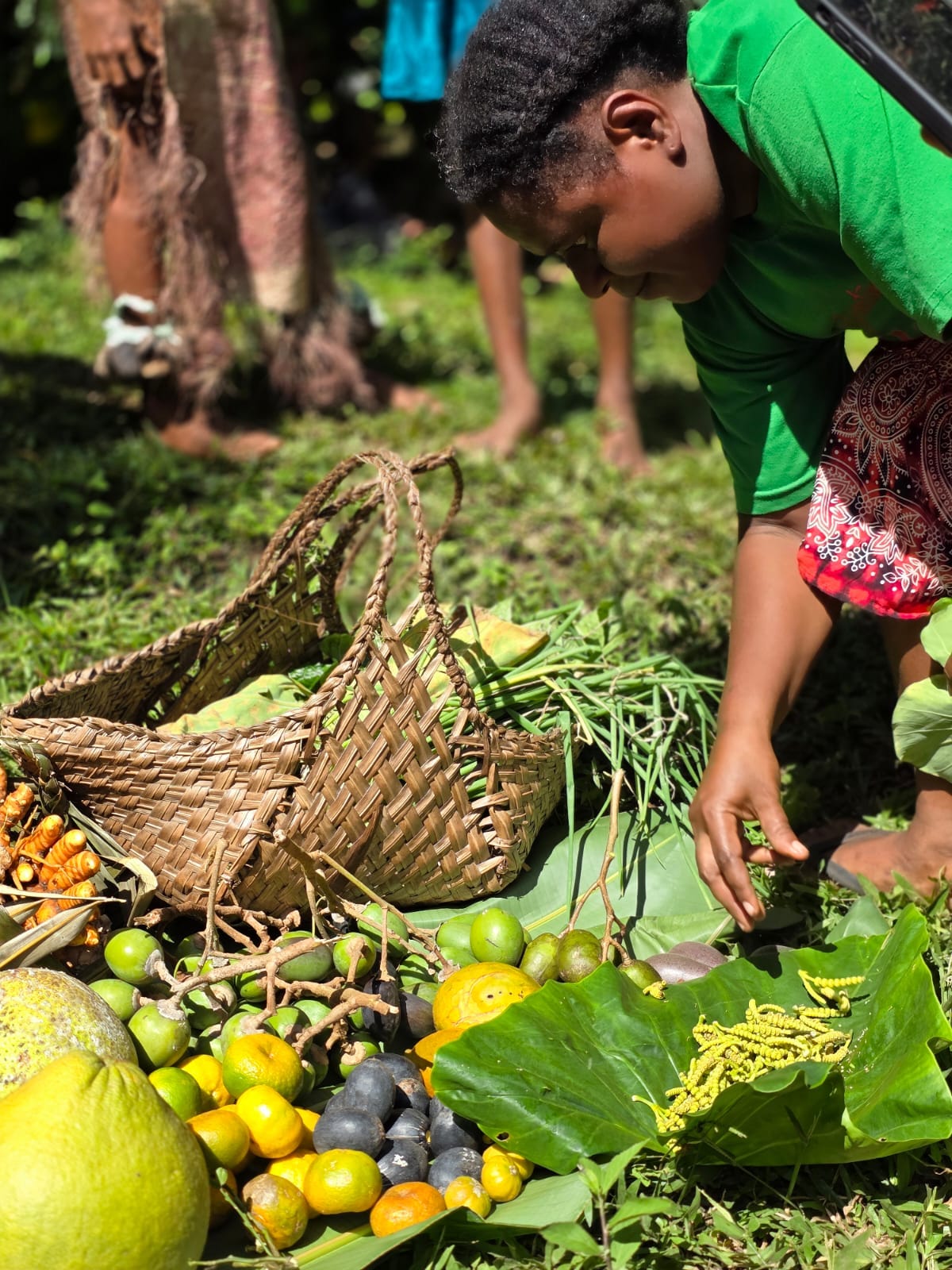
In Vanuatu, food has always meant more than simply what we put on our plates. In Vanuatu, kakae is land, it is ocean, it is farming, it is harvesting. Kakae tells stories, is connected to culture, knowledge, ritual and language. Deeply rooted in Vanua, kakae is woven into the very fabric of each Vanua’s story.
Today, a growing global term known as ‘regenerative gastronomy’ is giving new language and international recognition to practices that ni-Vanuatu people have upheld for generations – caring for land and sea while nourishing people and culture at the same time. The word ‘gastronomy’ comes from the Greek ‘gastro’– meaning stomach, digestion and nutrition, and ‘nomos’ – meaning custom, law, or knowledge. Gastronomy is, at its heart, the art and science of eating well – and involves the culture, story, ingredients and processes involved in sharing and being nourished by kakae. Crucially, gastronomy refers to the whole food system – eating well begins with the soil, and we can only be truely nourished by our food if our farming and stewardship practices are regenerative.
Regenerative Gastronomy in Vanuatu looks beyond food as a product for visitors or export markets. Instead, it asks how food systems can restore ecosystems, strengthen cultural knowledge, and support local livelihoods. Regenerative Gastronomy is a food system approach that goes beyond sustainability to actively restore and improve soil health, biodiversity, and community well-being. True gastronomy is not created by Kastom holders alone – but by farmers, fishers, Mummas, value-adders, cooks, chefs and whole Vanuas working together.
In this way, regenerative gastronomy is not “just for tourists”. It is for families growing food in gardens, for Mummas selling prepared foods, for Vanuas maintaining kastom practices, and for young people learning how land, sea, and food are connected. When everyone is included, food becomes a pathway for resilience, pride, and shared prosperity.
Vanuatu’s Journey Toward the 2027 World Region of Gastronomy Nomination
This inclusive understanding of food is at the heart of Vanuatu’s journey toward nomination as the World Region of Gastronomy for 2027. The nomination process has been a collective effort, reflecting the depth of knowledge and commitment across the country.
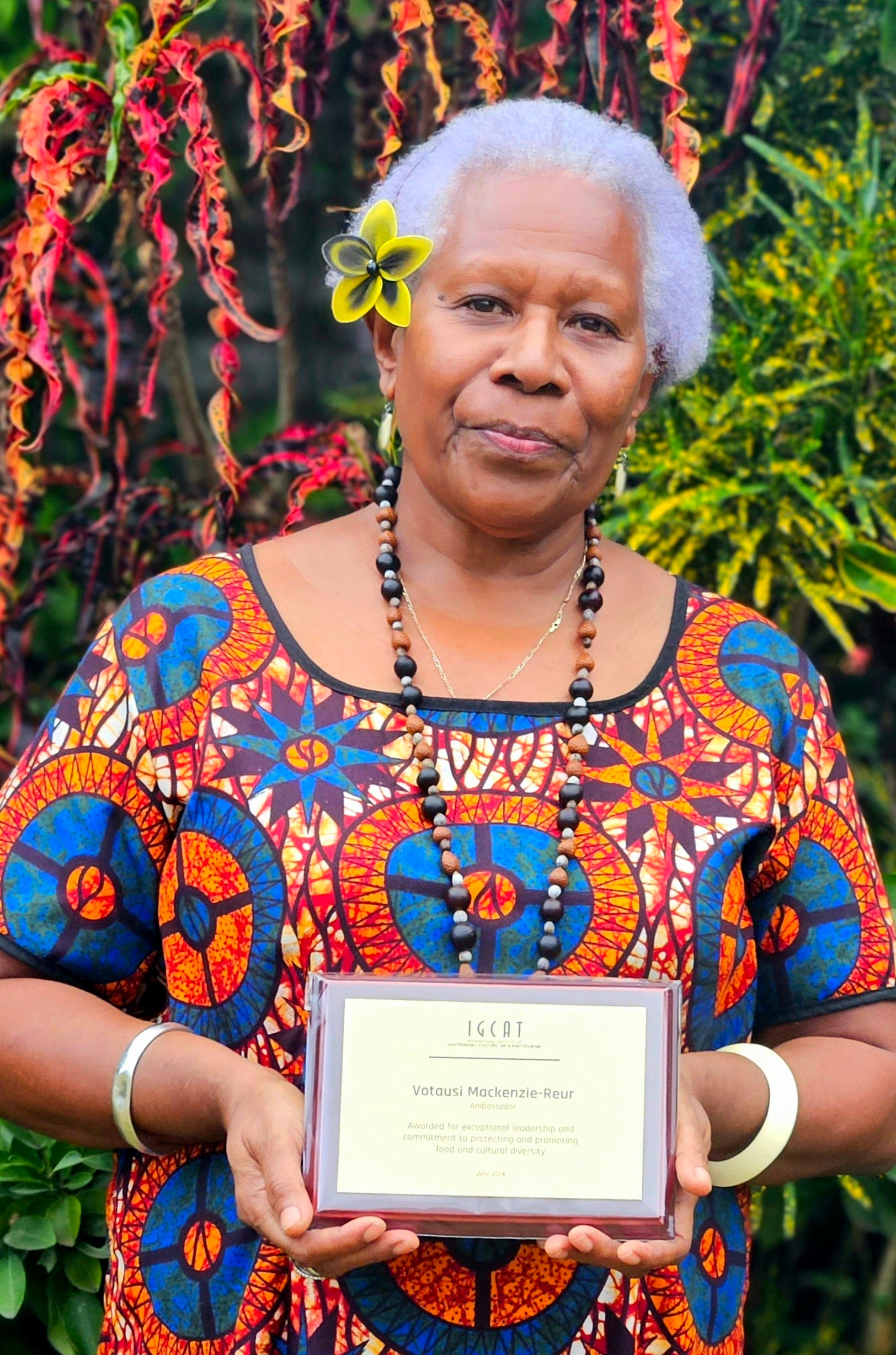
A key milestone in Vanuatu’s journey was the recognition of Mrs. Votausi Mackenzie-Reur, a true advocate for the nation’s food culture and traditions. In 2024, Mrs. Mackenzie-Reur was honoured with the prestigious Honorary Ambassador Award by the International Institute of Gastronomy, Culture, Arts and Tourism (IGCAT), a testament to her dedication and leadership. IGCAT President, Dr Diane Dodd, highlighted Mrs. Mackenzie-Reur’s achievements, referencing not only her efforts to elevate Vanuatu’s profile on the global stage, but also her humility and deep-rooted commitment to her Vanua. Through her work, Mrs. Mackenzie-Reur has inspired countless others to value and preserve the rich culinary heritage of Vanuatu, from traditional recipes and medicinals to plant diversity and local cuisine. Her recognition paved the way for Vanuatu’s nomination for the esteemed World Region of Gastronomy Award in 2027, a moment that acknowledges the nation’s collective commitment to safeguarding its food traditions and cultural identity.
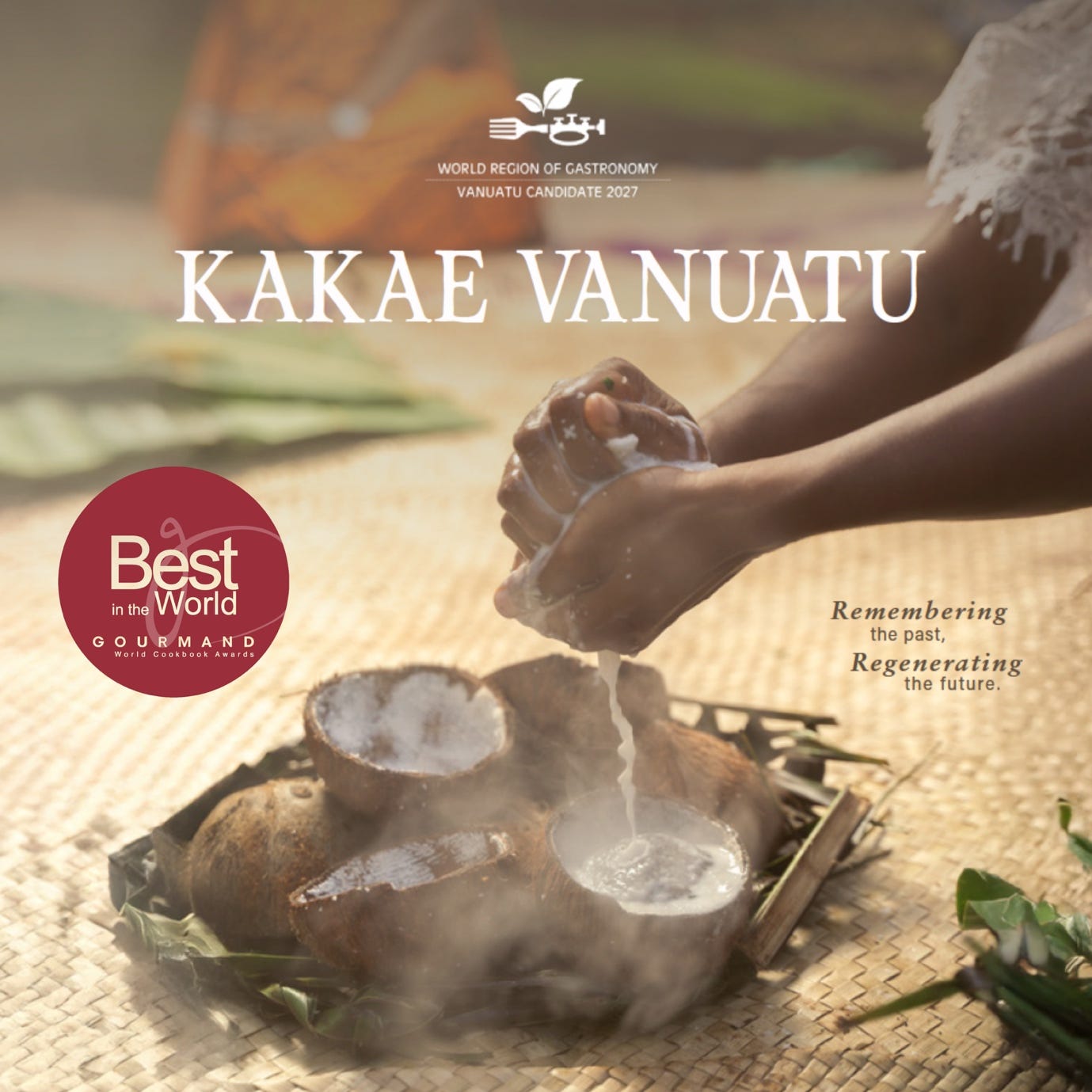
Regenerative Vanuatu played a key role in guiding and supporting the nomination process. Regenerative Vanua is involved in working alongside local stakeholders to ensure the bid for the 2027 nomination reflected local realities, values, and aspirations. Together with local farmers, fishers, Mummas, value-adders, nutritionists, cooks and the Vanuatu Kaljoral Senta, Regenerative Vanua published the World Region of Gastronomy 2027 Bid Book – titled ‘Kakae Vanuatu: Remembering the Past, Regenerating the Future’. The book was awarded Best South Pacific Free Book in the World during the Gourmand Awards in 2025.
As the lead organisation implementing the Regional Pacific Regenerative Verification Program, part of the Pacific Islands Forum post-2025 Pacific Aid-for-Trade Strategy (PAfTS), Regenerative Vanua is committed to supporting Regenerative Gastronomy in the Pacific.
Free Awareness Sessions in April
As Vanuatu continues its journey toward the 2027 nomination, the involvement of Vanuas remains central. To ensure that everyone who wishes to be part of the process can engage, free IGCAT awareness sessions will be held at the Regenerative Vanua Collective on April 12 and April 19. To find out more, email regenerativevanua@gmail.com.
These sessions are open to anyone interested in contributing to Vanuatu’s nomination this year. The aim is to share knowledge about what the World Region of Gastronomy designation means, how regenerative gastronomy works in practice, and how individuals and Vanuas can be involved in meaningful ways through the PIFS endorsed Pacific Regenerative Verification Initiative.
Rather than focusing on a single sector, the sessions recognise that Vanuatu’s strength lies in its diversity of people and practices. From gardens to kitchens, from markets to cultural ceremonies, every contribution matters.
Vanuatu’s regenerative gastronomy story is not something new being created for the world – it is a living system that has always existed. What is changing is the opportunity for that story to be recognised, protected, and strengthened on Vanuatu’s own terms. Regenerative gastronomy offers a way forward that honours kastom, supports livelihoods, and cares for future generations. The 2027 World Region of Gastronomy nomination is not an end point, but a shared pathway – one that belongs to everyone who grows, prepares, shares, and celebrates food across Vanuatu.
If you have any questions about the IGCAT sessions, email regenerativevanua@gmail.com